News and Resources
Find resources including media coverage,
press releases, research, and podcasts.
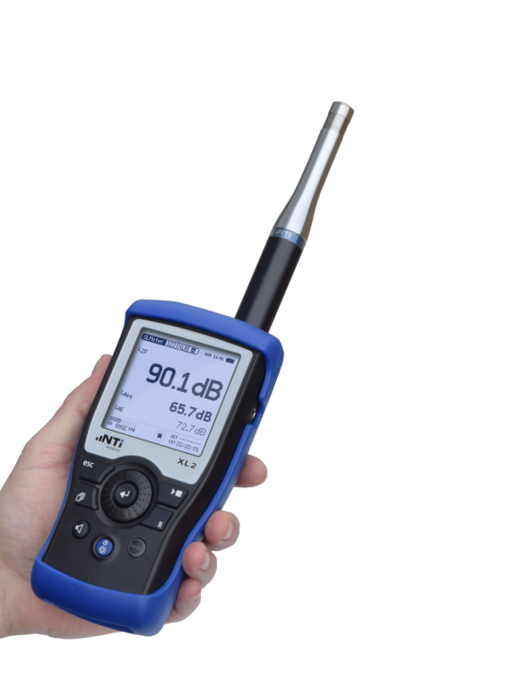
Noise pollution from data centers is coming. The gas-powered xAI model is spreading
WPLN News
The article reports that xAI’s gas-powered data center near Memphis is creating continuous noise pollution for nearby residents, raising concerns about sleep, stress, health, and effects on wildlife and pets. Jamie Banks of Quiet Communities says standard decibel measurements fail to capture the harm of low-frequency, inescapable noise.
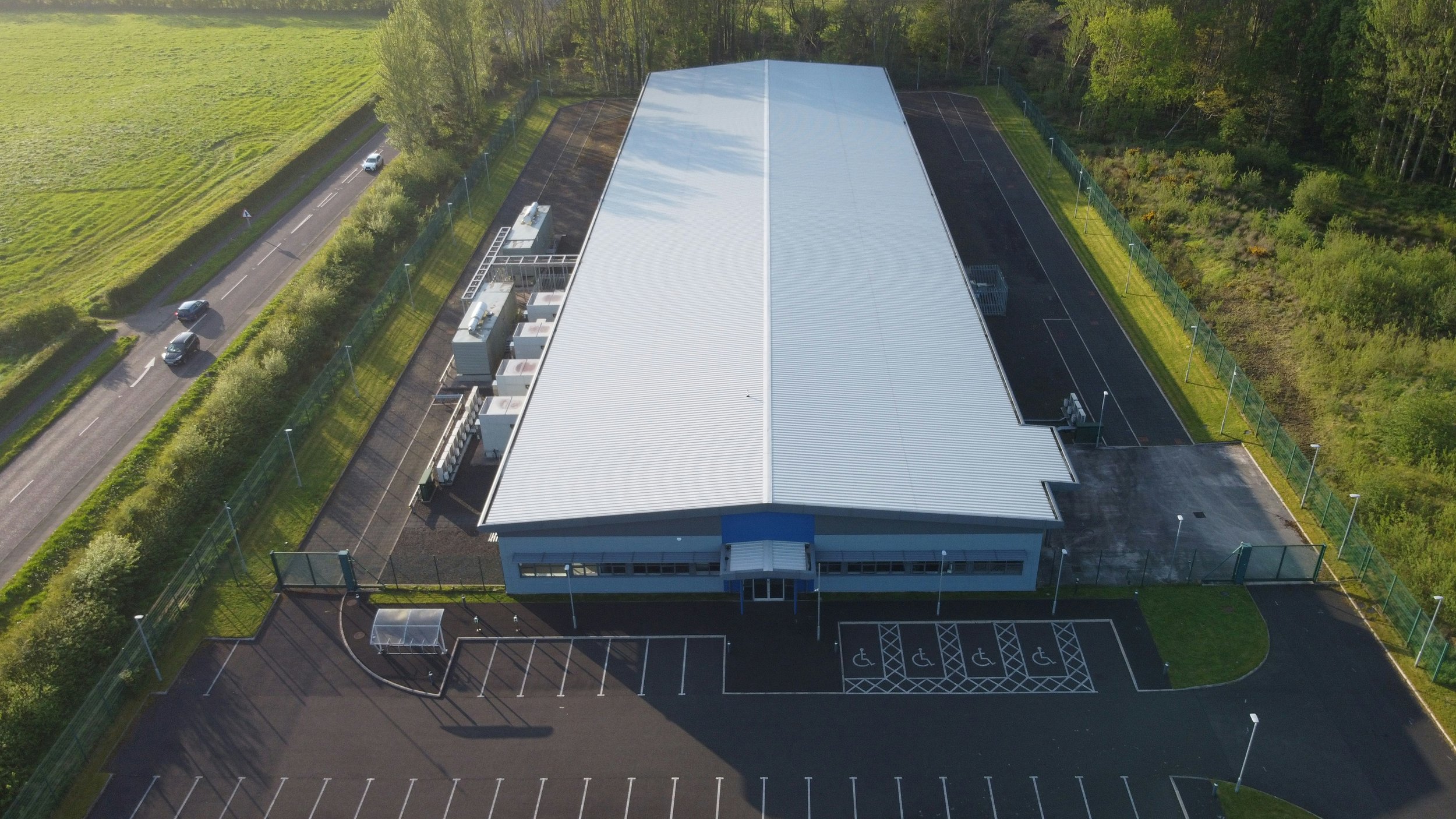
‘It’s all you can hear’: New Jersey lawsuit takes on datacenter’s noise pollution
The Guardian
A New Jersey lawsuit alleges that noise from the DataOne data center is disrupting residents’ sleep and quality of life for up to a mile away. Jamie Banks of Quiet Communitieswas quoted calling noise the “forgotten stepchild” of datacenter concerns and warning that low-frequency sounds can enter homes.
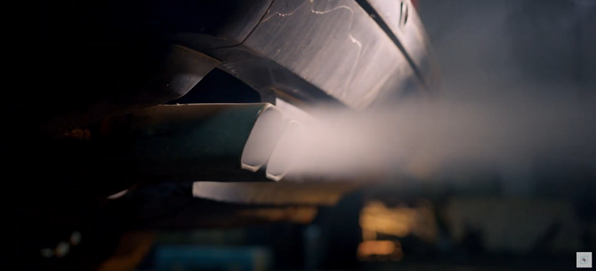
Georgia lawmakers weigh how loud is too loud for cars
Axios
Georgia lawmakers are considering clearer limits on loud vehicle noise. Jamie Banks of Quiet Communities told them chronic noise can contribute to stress and cardiovascular and mental-health problems.
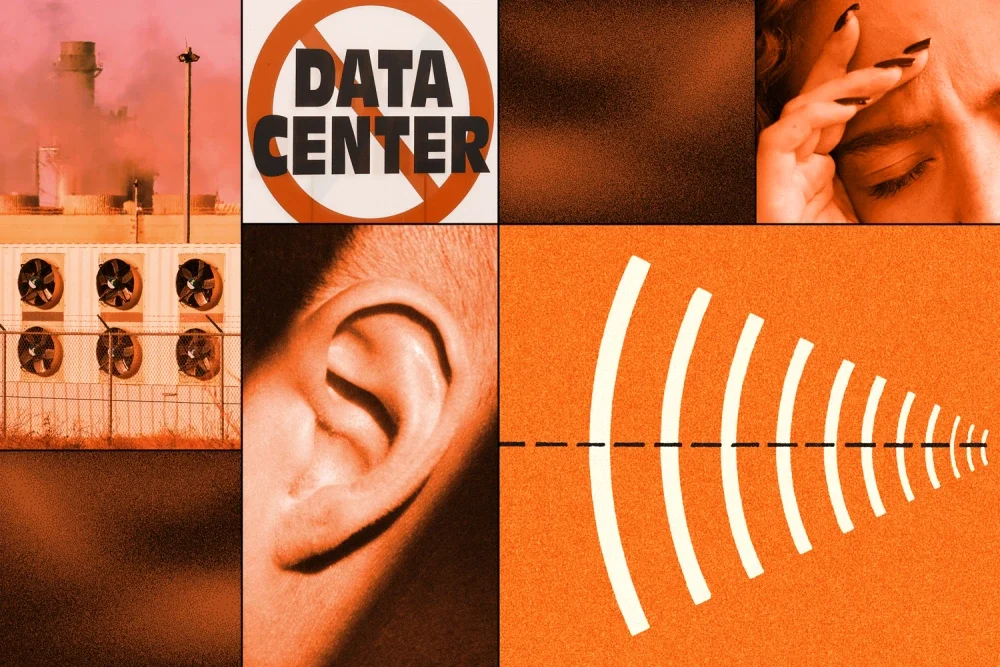
Suing for silence: Nationwide lawsuits and social media videos document data center noise
NBC
Concerns about data centers initially centered on their energy and water consumption, but as more have come online, residents’ gripes are increasingly about noise.

QC Newsletter: Progress in the fight against noise pollution
Quiet Communities celebrated a major EPA win alongside other progress, including a pickleball noise lawsuit victory, new partnerships with Dark Sky and the Hearing Health Foundation, and continued media coverage on data center noise. The issue also featured a 6th grader's school project on noise pollution and updates on healthcare acoustics standards.

Data Centers Make Noise, Too
The New York Times
Jamie L. Banks, founder and president of Quiet Communities, supports New York’s one-year pause on large data center construction and urges officials to use the moratorium to study and regulate data center noise.

Quiet Communities wins landmark noise pollution ruling against the EPA.
Quiet Communities, Inc. announced today that the U.S. District Court for the District of Columbia has ruled that the Environmental Protection Agency unreasonably abdicated its responsibilities under the federal Noise Control Act of 1972, by failing to comply with mandatory obligations under the law for more than 40 years.
QC Convenes Pickleball Noise Task Force
Quiet Communities convenes task force on pickleball noise and launches website with resources for communities.

QC Newsletter: A busy season for noise
Quiet Communities launched a new Quiet Industry program addressing noise from data centers and industrial facilities, welcomed Maria Becce to its Board and Dr. Sanjay Rajagopalan to its Scientific Advisory Council, and presented research at the global ICBEN 2026 conference in Copenhagen. The newsletter also highlighted busy advocacy work across EV noise, quiet landscaping equipment, and gun range noise issues, along with continued media coverage and an upcoming July QC Close-Up event on Portland's noise regulation history.
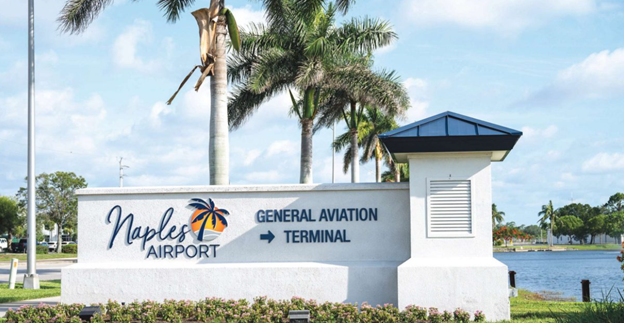
Naples Airport board agrees to continue discussions on possible American Airlines commercial flights
Gulf Coast News
Naples Airport Authority is considering American Airlines’ proposal to launch three daily round-trip commercial flights between Naples, FL and Charlotte, NC starting December 2026, using 65-seat regional jets that meet current noise and weight limits. Supporters say this would give residents and visitors a more convenient local option and better connections via Charlotte.
However, nearby residents strongly object over noise and increased traffic. Mary Tatigian of Quiet Florida warned that allowing one major carrier could turn Naples from a local municipal airport into a regional commercial hub.
Too Loud to Ignore: How Communities Are Responding to Modified Mufflers
Most of us think of noise as just “annoying.” But what if it’s actually a serious threat to our health? This video exposes how roaring engines and modified mufflers are turning neighborhoods into racetracks—disrupting sleep, triggering anxiety, harming vulnerable residents, and straining our hearts and minds. You’ll hear the real story of a new mother whose home went from sanctuary to stress zone, and see how residents, health experts, law enforcement, and advocates in Florida are banding together to fight back with policy, enforcement, and innovation like noise cameras. Noise pollution is the new secondhand smoke. It’s preventable—and we don’t have to accept it.
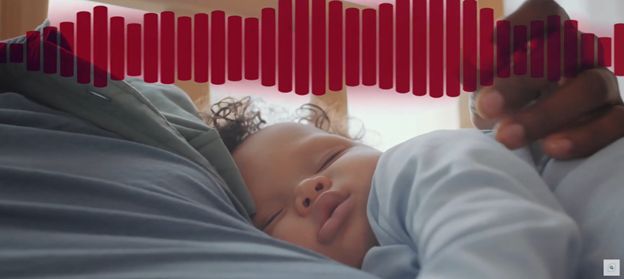
Quiet Communities Releases New Video Primer on Health Impacts of Noise from Modified Mufflers
Most of us think of noise as just “annoying.” But what if it’s actually a serious threat to our health? This video exposes how roaring engines and modified mufflers are turning neighborhoods into racetracks—disrupting sleep, triggering anxiety, harming vulnerable residents, and straining our hearts and minds. You’ll hear the real story of a new mother whose home went from sanctuary to stress zone, and see how residents, health experts, law enforcement, and advocates in Florida are banding together to fight back with policy, enforcement, and innovation like noise cameras. Noise pollution is the new secondhand smoke. It’s preventable—and we don’t have to accept it. Learn how you can protect your community’s health, reclaim your right to quiet, and join the movement for safer soundscapes at QuietCommunities.org.
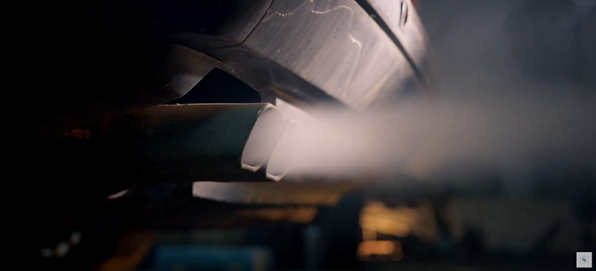
What’s Driving You Crazy? Loud motorcycles, mufflers spark complaints across Massachusetts
WCVB Boston
WCVB’s “What’s Driving You Crazy?” spotlighted a growing problem across Massachusetts: excessively loud motorcycles and modified exhausts that rattle homes and disrupt daily life, even for longtime riders. While current law technically allows a small fine for “harsh, unreasonable or objectionable” noise, enforcement is inconsistent because there’s no clear decibel standard and inspections don’t measure sound. Senate Bill 1716 would fix that by setting specific noise limits based on vehicle type and weight and sharply increasing fines and penalties for repeat offenders. Passing S.1716 would give police and inspectors clear, objective tools to enforce the rules and help residents finally get some peace and quiet.

Is Your Neighborhood Noisy? You’re Not Alone.
The New York Times
The article explains how everyday neighborhood noises like engines and leaf blowers seriously harm quality of life and health, while laws and enforcement lag behind. Many residents pay a personal “noise tax” for soundproofing or even leave their neighborhoods to cope. Jamie Banks, president and founder of Quiet Communities, stresses that the repetitive, unpredictable, vibrating nature of noise is far more serious than a mere “nuisance.”

QC Newsletter: New year, fresh look, more impact
Quiet Communities’ Jan/Feb 2026 newsletter announces a refreshed website, new resources, and a full 2026 webinar schedule, along with a relaunch of its YouTube channel. It highlights a Naples, Florida noise‑camera pilot to enforce vehicle noise limits, and Quiet Princeton’s successful push for a seasonal ban on gas leaf blowers through collaboration, education, and incentives for electric equipment.

Finding New York’s quietest spots showed me how a greener future could feel
Imagine5 Magazine
Author and artist Nicole Kelner describes how her work as an artist-in-residence with Quiet Communities helped shape her understanding of the connection between noise and climate change. While documenting New York City's quietest places for her upcoming book, Kelner learned through QC that many of the loudest everyday sounds come from fossil-fuel-powered machines, and that the shift to cleaner electric alternatives also means a quieter future.

Airport officials want to make DIA less noisy for travelers. Here’s why that matters
KUNC
Jamie Banks, founder and president of Quiet Communities, joined KUNC's In The NoCo program to discuss Denver International Airport's campaign to reduce noise levels for travelers. Banks spoke about how exposure to noise can trigger stress responses in the brain and body, and how creating a calmer, more peaceful airport environment could help ease the anxiety of travel.
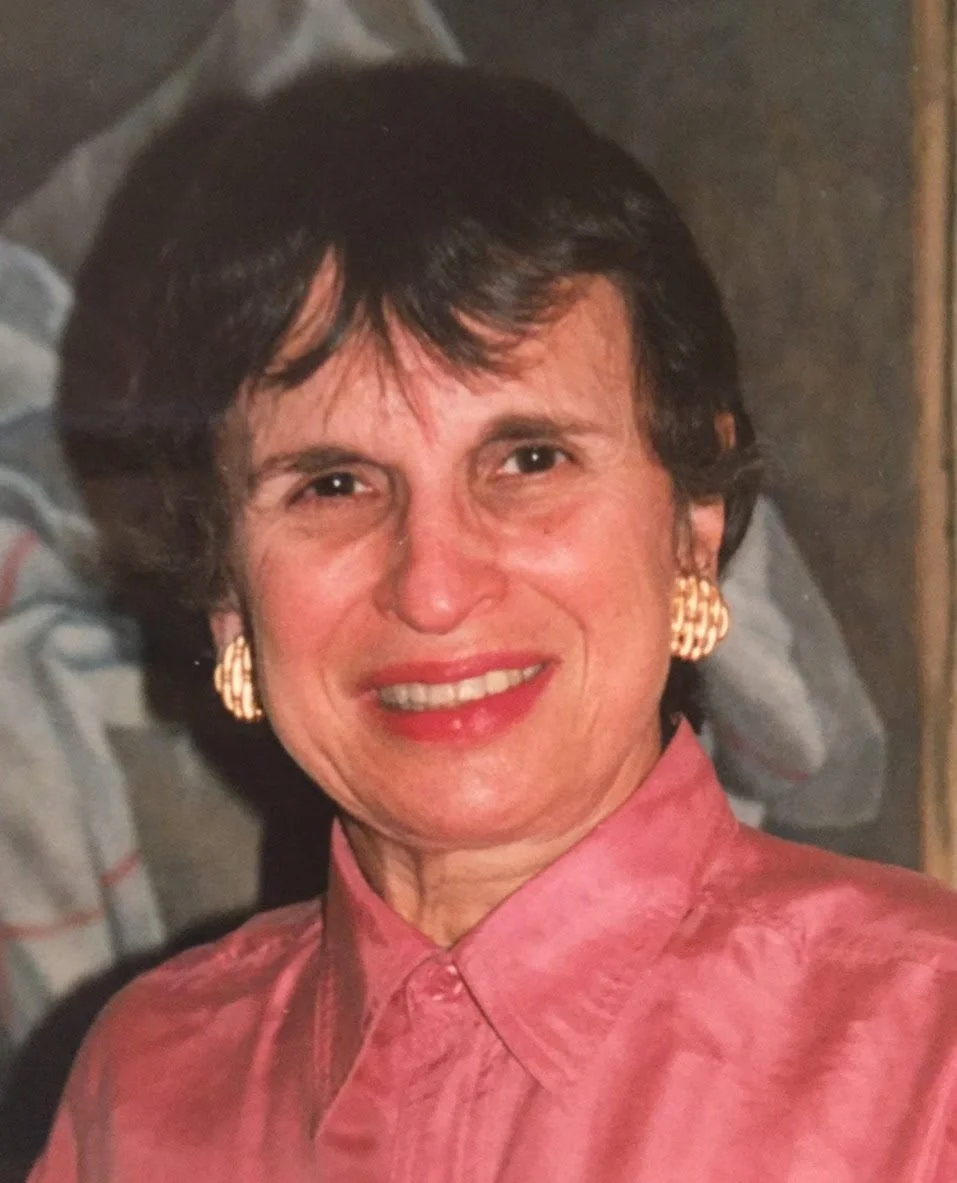
QC Remembers Dr. Arline Bronzaft
We mourn the passing of Dr. Arline L. Bronzaft, our cherished colleague, mentor, and friend, who died peacefully on October 29, 2025, surrounded by her family. A pioneering environmental psychologist, researcher, and author, Arline’s groundbreaking work from the 1970s onward transformed our understanding of how noise harms learning, cognition, and health.

QC Newsletter: Another Year of Quiet Victories, Roundtable of Roundtables on Aviation, and QC in the media
Quiet Communities’ November/December 2025 newsletter celebrates a year of “quiet victories” in advancing noise reduction and outlines ambitious 2026 goals, including building new alliances, expanding educational resources, and deepening public health and environmental advocacy.
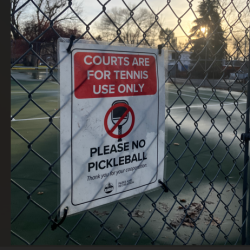
The Noise Nobody Planned For
Acoustical Society of America
The article presents findings from a Quiet Communities survey on the impact of pickleball noise on nearby residents, authored by QC founder and president Jamie Banks and scientific advisory council member Kathleen Romito. The research, presented at the 189th meeting of the Acoustical Society of America, calls for evidence-based guidelines for court siting and noise control that balance recreation with residents' health and well-being.
As Seen In: