
Amazon drones overwhelm a Texas suburb
by Daniel Fink, MD, Chair, The Quiet Coalition
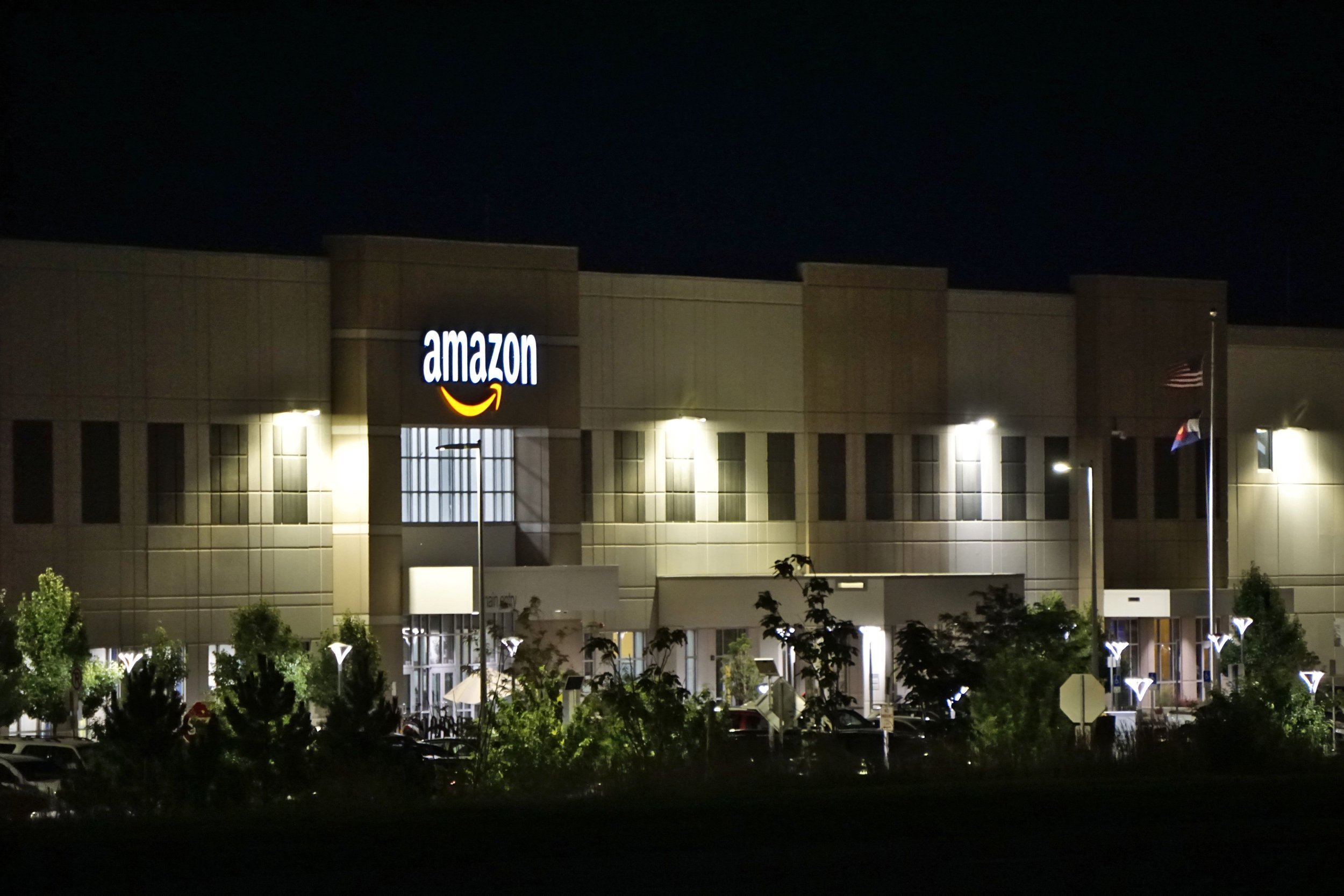
Photo Credit: Joshua Brown
The New York Times reported that noise from Amazon delivery drones is overwhelming people living in Richardson, Texas, a suburb just north of Dallas.* People living near Amazon’s distribution center or within a 7½-mile radius of the site may be subject to dozens of flights by 86-pound delivery drones, some so loud that they sound like flying lawn mowers.
Under city regulations, Amazon can use drone delivery from 7 a.m. to 8 p.m. The drones fly at an average height of 225 feet. The Federal Aviation Administration sets regulations for delivery drones, but has decided that they do not pose a significant environmental impact. Those living under the drone flights disagree.
They are trying to convince their city government to take steps to limit delivery drone activity and are also warning other cities about this problem. It’s not clear to me whether the delivery of a ham sandwich to someone too lazy to make it herself, as reported in the story, represents a major technological advance or just a technology looking for a potential use.
An Amazon spokeswoman stated that the drone noise is similar to that of a window fan on low and, during delivery, is quieter than a passenger car. No decibel levels were provided. The drones also use video technology to navigate, which raises privacy concerns for those living under their flight paths.
New technologies, such as delivery drones and air taxis, are often implemented before adequate regulations can be developed. We hope that Texas authorities and perhaps legislators in Congress can address the problems raised by drone deliveries. As I have written, the English common law right to quiet enjoyment, the right of a tenant not to be bothered unnecessarily by a landlord, should be changed by litigation or legislation to include a literal right to quiet in one’s home and yard.
Why? A quieter world will be a better and healthier world for all.
*The Quiet Coalition tries to avoid blogging about stories behind a publication’s paywall but from time to time makes an exception, in this case due to the Times’ large circulation and its importance as perhaps the only remaining newspaper of record.