
Anxiety and depression combined with transportation noise increases cardiovascular disease risk
by Daniel Fink, MD, Chair, The Quiet Coalition
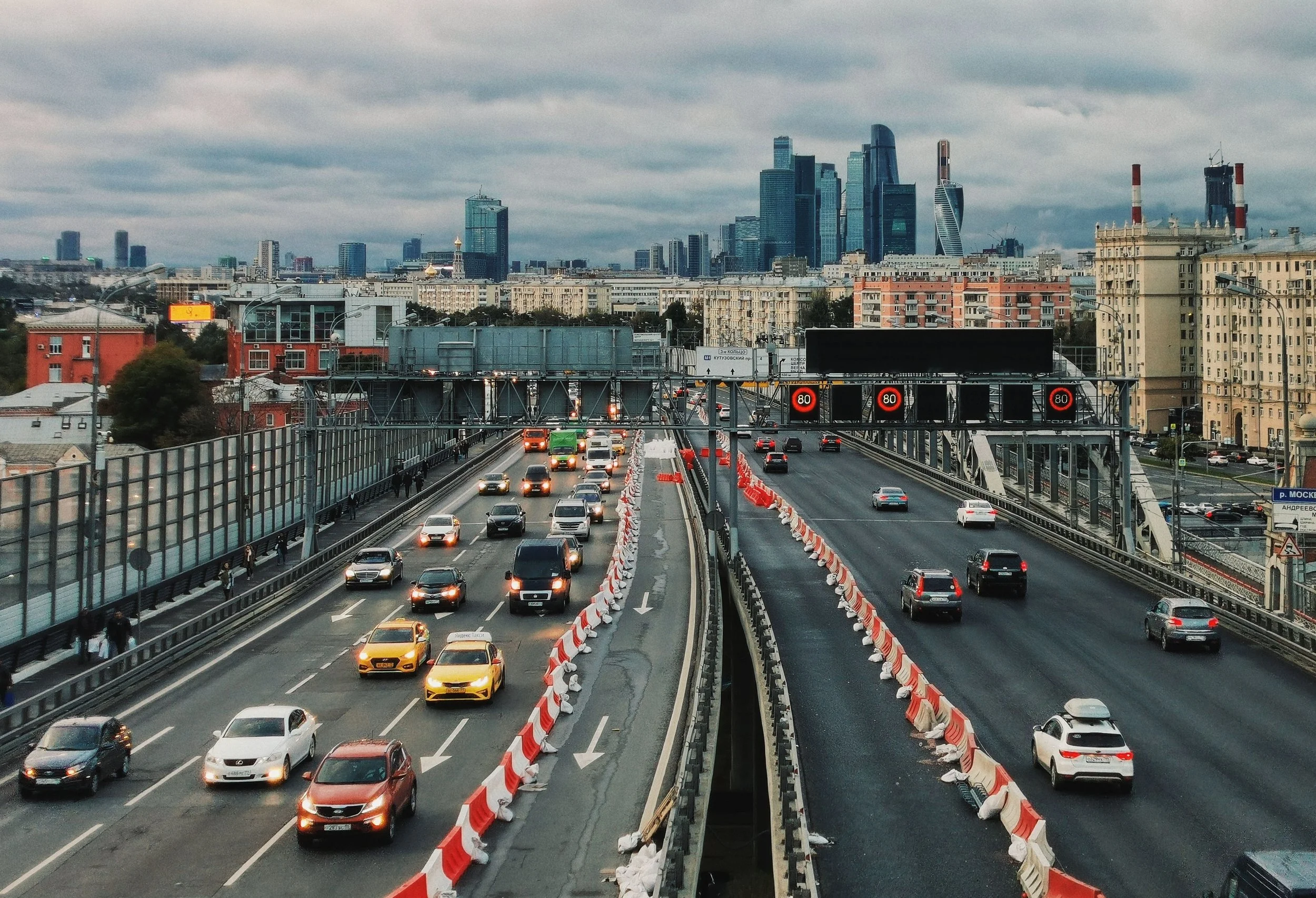
Photo Credit: Ksenia Nechaeva
A retrospective analysis of data from 25,906 individuals in the Mass General Brigham Biobank found that anxiety and depression combined with transportation noise exposure additively increased cardiovascular disease (CVD) risk, with major adverse cardiovascular events (MACE) increasing by 17% with each additional exposure. The research was led by Fatima Saeed, MD and Michael Osborne, MD. QC founder and president, Jamie Banks, PhD MSc, is one of the co-authors.
To anyone familiar with the voluminous body of published scientific research on the effects of noise on health, these findings are not a surprise. It has been known since at least 1981 that noise is stressful. Transportation noise (from aircraft, railroads, and road traffic) has proven adverse effects on cardiovascular health, causing increased CVD and mortality. Transportation noise has adverse effects on mental health. The importance of this new publication is that it is the first report showing a relationship between depression, anxiety, and transportation noise exposure in relation to the risk of cardiovascular disease.
We hope that policymakers in Europe and the United States will take heed of this report. Transportation noise exposure is killing people. Exposure to all three kinds of transportation noise can be reduced by a variety of measures, including reducing noise at its source (e.g., quieter engines and better exhausts), laws regulating behaviors (e.g., limits on horn use and engine braking), use of sound barriers, and regulations limiting transportation activities (e.g., nighttime flight restrictions).
A quieter world will be a better and healthier world for all.