
Once it’s gone it’s gone: How to future-proof your hearing
by Daniel Fink, MD, Chair, The Quiet Coalition
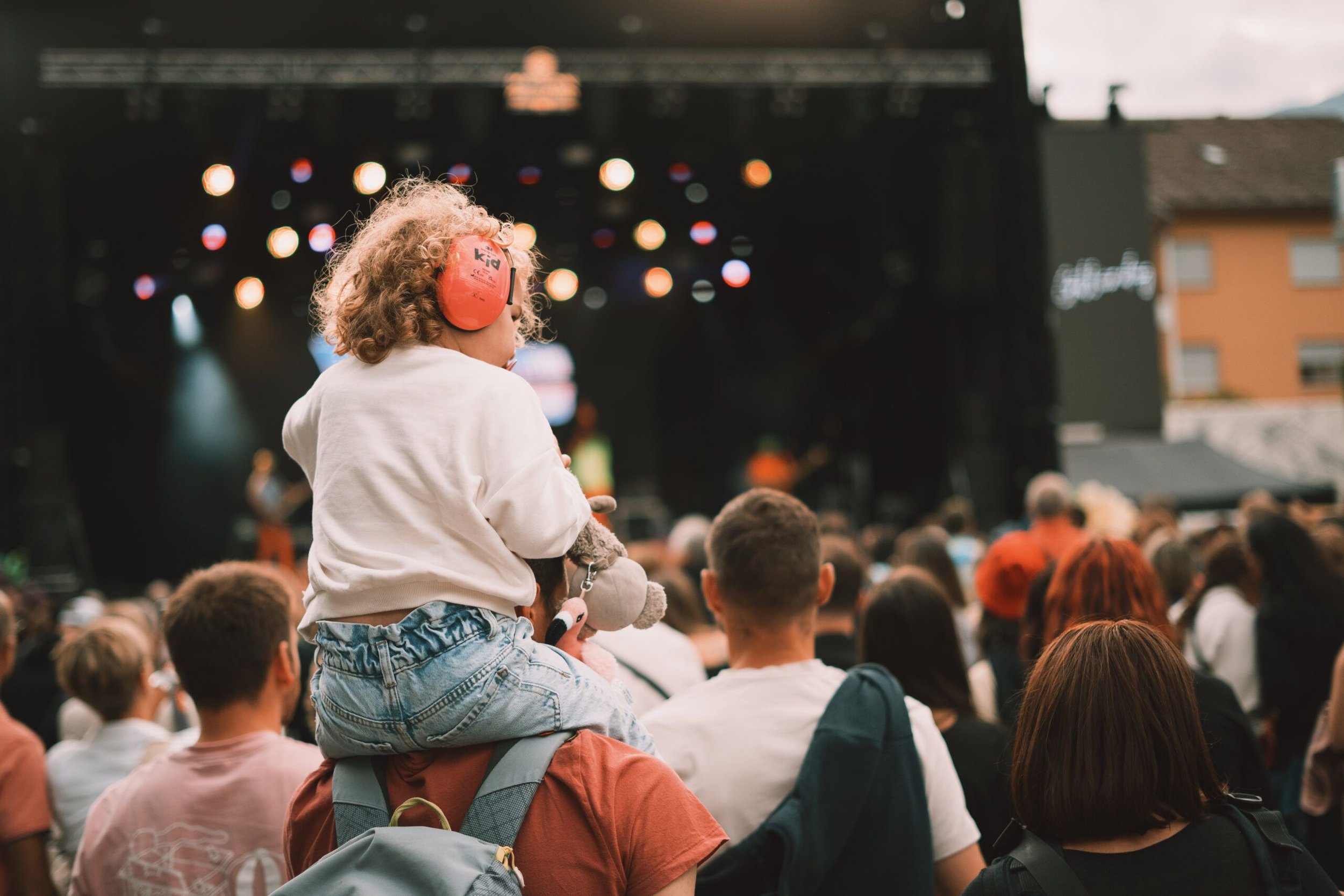
Photo Credit: Noah Barblan
The headline for this blog post is that of the BBC’s article about protecting one’s hearing. Reporter Elizabeth Ann Brown gets it right. Noise damages cochlear hair cells, the basic sensory organs of hearing. Some animals can regrow their hair cells, but humans can’t. The cumulative effect of excessive noise exposure eventually causes hearing loss, something Brown reports is now being seen in teens and even children under 10.
Avoiding exposure to loud noise can prevent noise-induced hearing loss. Brown quotes Cleveland Clinic audiologist Valerie Pavlovich Ruff, who points out that parents take infants and children to sports events and protect their hearing with earmuff hearing protection, but don’t do anything about protecting their own ears.
The cumulative effect of excessive lifetime noise exposure is called age-related hearing loss, but I think that should be called otoaging. This new word describes both the premature aging of cochlear hair cells and synaptic junctions, and the end result, noise-induced hearing loss, when one gets old.
Preventing noise-induced hearing loss and otoaging is simple and inexpensive. If it sounds loud, it’s too loud, and one’s auditory health* is at risk. Turn down the volume, leave the noisy environment, or use hearing protection, and one’s ears should last a lifetime.
*Auditory health includes protecting hearing but also avoiding tinnitus (ringing in the ears) and hyperacusis (a sensitivity to loud noise that doesn’t bother others). There are no published studies of the noise dose required to develop tinnitus or hyperacusis, but reducing noise exposure to prevent noise-induced hearing loss will probably also reduce the likelihood of developing these two other auditory conditions.