
Pickleball’s phantom pops are not a joke
by Kathleen Romito, MD
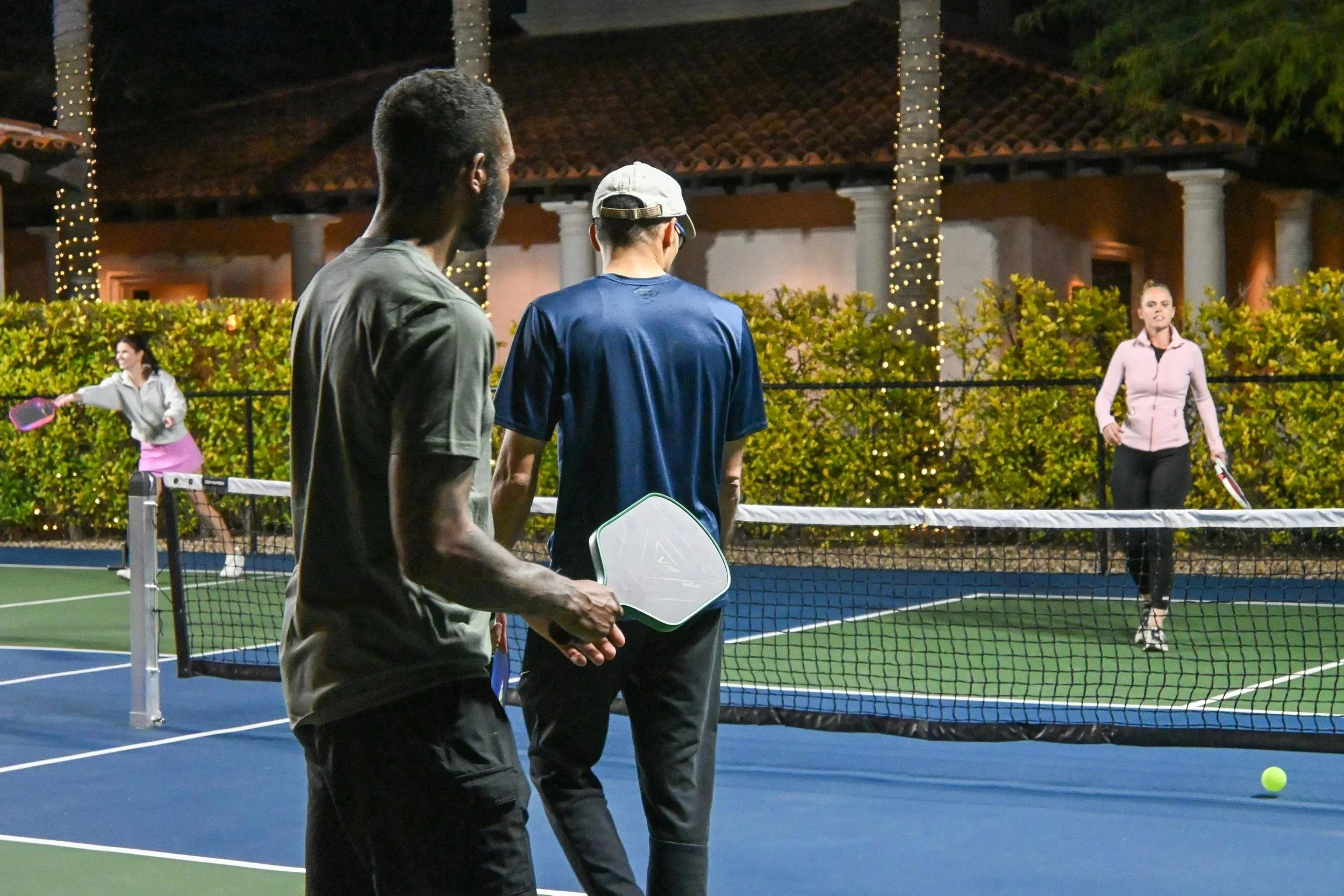
Photo credit: Jessie Kiermayr
It sounds crazy at first. You close the windows. The players have gone home. It’s the middle of the night. And yet you still hear it. Pop. Pop. Pop.
For many residents living near pickleball courts, that experience has a name: phantom pops. It’s a lingering perception of the sharp, repetitive, popping sounds even when no one is playing. People report hearing them day or night, sometimes occurring with a racing heartbeat. Some climb out of bed in their pajamas and go check the courts to be sure no one is actually playing at 2 a.m. Others report hearing phantom pops even 3 months after moving away from courts.
For people who haven’t experienced it, the idea of phantom pops is easy to joke about. But for the people affected, it is real and deeply unsettling.
A recent community pilot study of 264 communities impacted by pickleball noise found that nearly 60% of residents expressed concern about hearing phantom pops (Romito/Banks).
That finding should get attention, not snickering or scorn.
The phenomenon was recently part of a dispute in Mobile, Alabama where the City Council took up complaints about pickleball noise. One resident described hearing “phantom pickleball noise” even when no one was playing; the council decided to approve changes to the courts.
So what’s causing the phantom pops? Science doesn’t yet have a definite explanation. One possibility is noise induced tinnitus (i.e. hearing sound without an external source) which has been associated with neuroplastic changes in the brain (Hahad). Another possibility is a trauma-related response where the brain continues to perceive noises that aren’t actually present. This type of response has been associated with severe stress or PTSD-like reactions although the mechanism isn’t completely understood.
In plain terms, the brain is being affected by the repetitive popping and is staying on high alert long after the actual noise has stopped.
“Phantom pops” may sound unbelievable. But given what we already know about how noise adversely affects our bodies, when residents report hearing phantom pickleball pops, we should take it seriously.