
When recreation becomes a misdemeanor: What Carmel’s decision signals about pickleball noise
by Kathleen Romito, MD
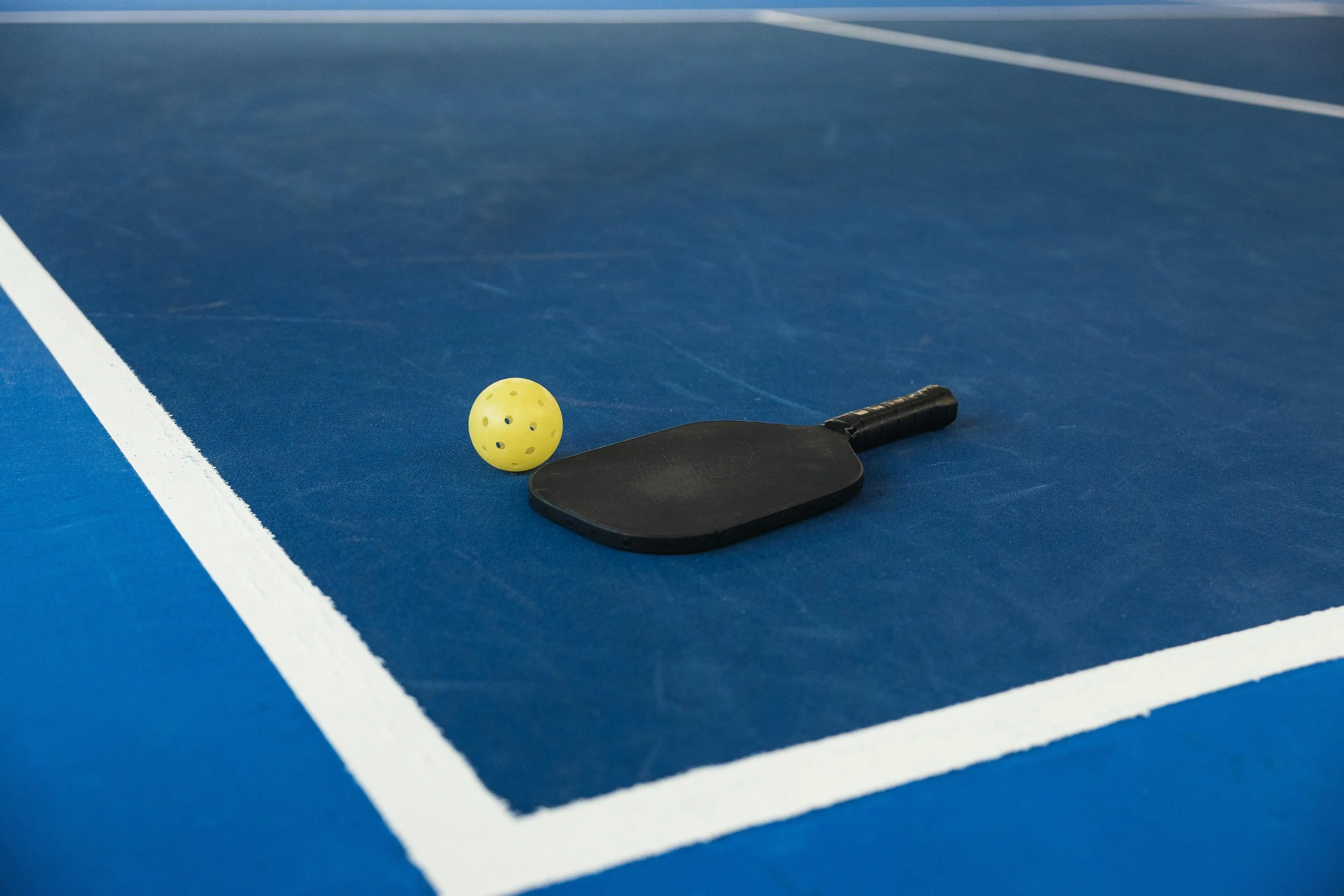
Photo credit: Mason Tuttle
Last December, Carmel, California voted to classify pickleball play as a misdemeanor in certain areas, marking a key moment in the national conversation about pickleball noise. During the meeting, one resident captured the emotional weight of the issue: “There are other places for these people to go and play. I can’t. What am I going to do? Sell my house and move away?”
It’s a sentiment many non-players understand intimately. Pickleballers often highlight the sport’s social and health benefits — and to be clear, those benefits are real. The sport gets people moving, helps build community, and offers low-impact exercise that’s accessible to millions.
But acknowledging those benefits shouldn’t mean ignoring the very real harms being experienced by those living next to courts.
In a recent community survey from 264 neighborhoods exposed to pickleball noise, 4 in 10 participants reported that they had already moved because of the noise. Another 12% said they wanted to move or were considering it but couldn’t, often due to financial or personal constraints.
The same survey found that:
9 out of 10 participants reported health concerns linked to the noise exposure
8 out of 10 said they were either “very often” or “constantly” unable to use or enjoy their homes due to the sound of pickleball play
These are not small impacts. They’re signals of significant harm — psychological, physical, financial, and social. When a recreational activity routinely prevents nearby residents from sleeping, working, relaxing, or even remaining in their homes, the issue becomes one of public health and basic livability.
The good news is that play can happen elsewhere. Indoor pickleball — now rapidly expanding into vacant big-box stores, gyms, and dedicated franchise spaces — offers an acoustically responsible alternative. When outdoor courts are desired, communities can look to planning and zoning guidelines that require appropriate setbacks, sound barriers, and quiet play equipment that reduce impact.
The question is not whether pickleball should exist. It’s where and how it should exist so that one group’s health and joy doesn’t come at another group’s cost.
Carmel’s decision is a wake-up call. If community leaders do their job, they can safeguard both recreation and residents — and no one has to move just so others can play.
*research presented by Kathleen Romito M.D and Jamie Banks PhD at the Acoustical Society of America, Dec 2025