
The nonmonetary costs of cars
by Daniel Fink, MD, Chair, The Quiet Coalition
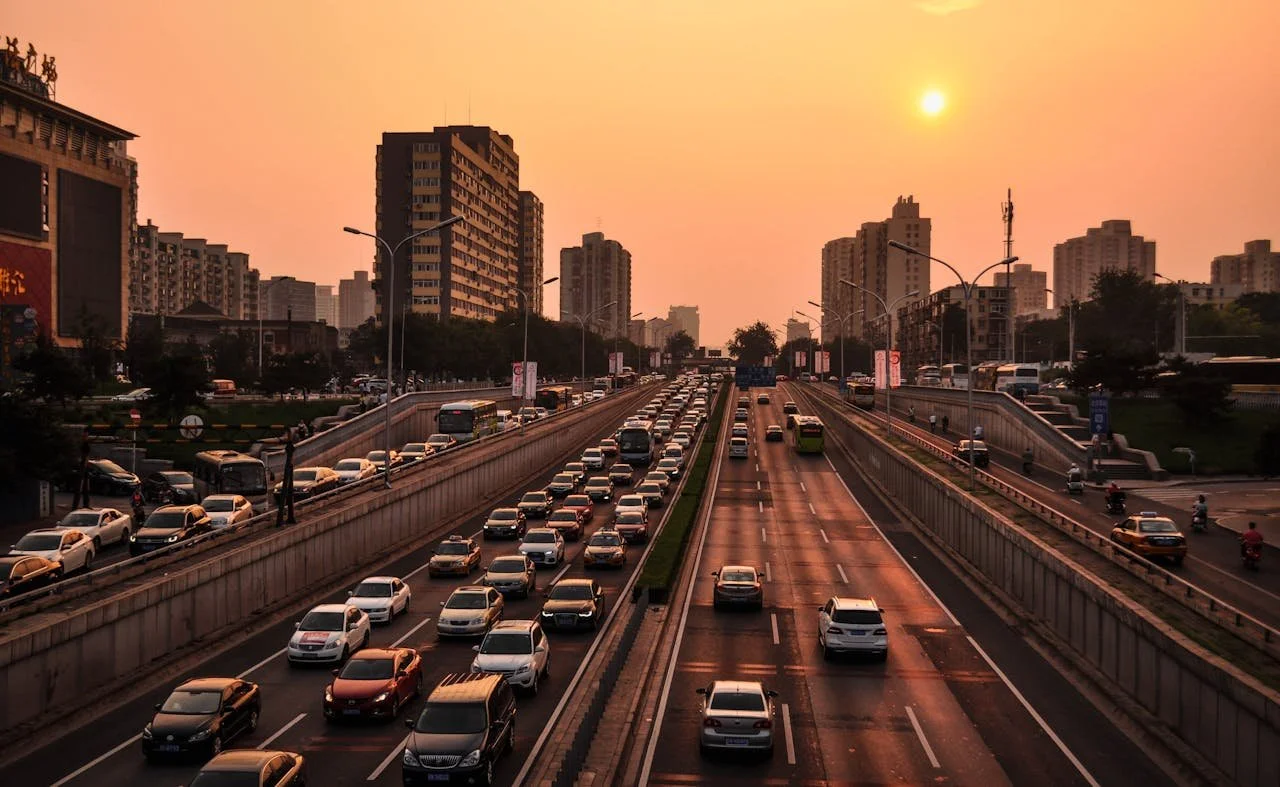
Photo credit: Pixabay
NPR recently ran a report about the rising costs of owning and operating a car. According to the Navy Federal Credit Union, those costs have risen more than 40% since 2020. The report also quotes podcaster and author Sarah Goodyear about the everyday, nonmonetary costs of cars.
Why am I writing about the cost of cars in a blog about noise? Road traffic noise causes stress, leading to high blood pressure, cardiovascular disease and increased mortality. Goodyear mentions hypertension, but also the costs of parking, maintaining roads and the health care costs associated with air pollution and the sedentary lifestyle engendered by driving. For many Americans, the only exercise they get every day is walking from their house to their garage, and then from a parking structure into their workplace.
In a handful of cities in the United States — such as New York City, Chicago, San Francisco, Washington, D.C. and Atlanta — public transit is convenient for many residents. I’m sure there are others, although Los Angeles certainly isn’t one of them yet. There are published papers showing that people who use mass transit get more exercise than those who don’t. Getting one’s steps in has been shown to have multiple health benefits, with about 7,000 daily steps being enough, although more may be better.
Using mass transit rather than a car benefits not only those who would otherwise drive, but everyone living in the city through reduced noise and air pollution.
Quieter cities with cleaner air will help make a better and healthier world for all.