Audiologists warn: White noise machines may damage your hearing health
by Daniel Fink, MD, Chair, The Quiet Coalition
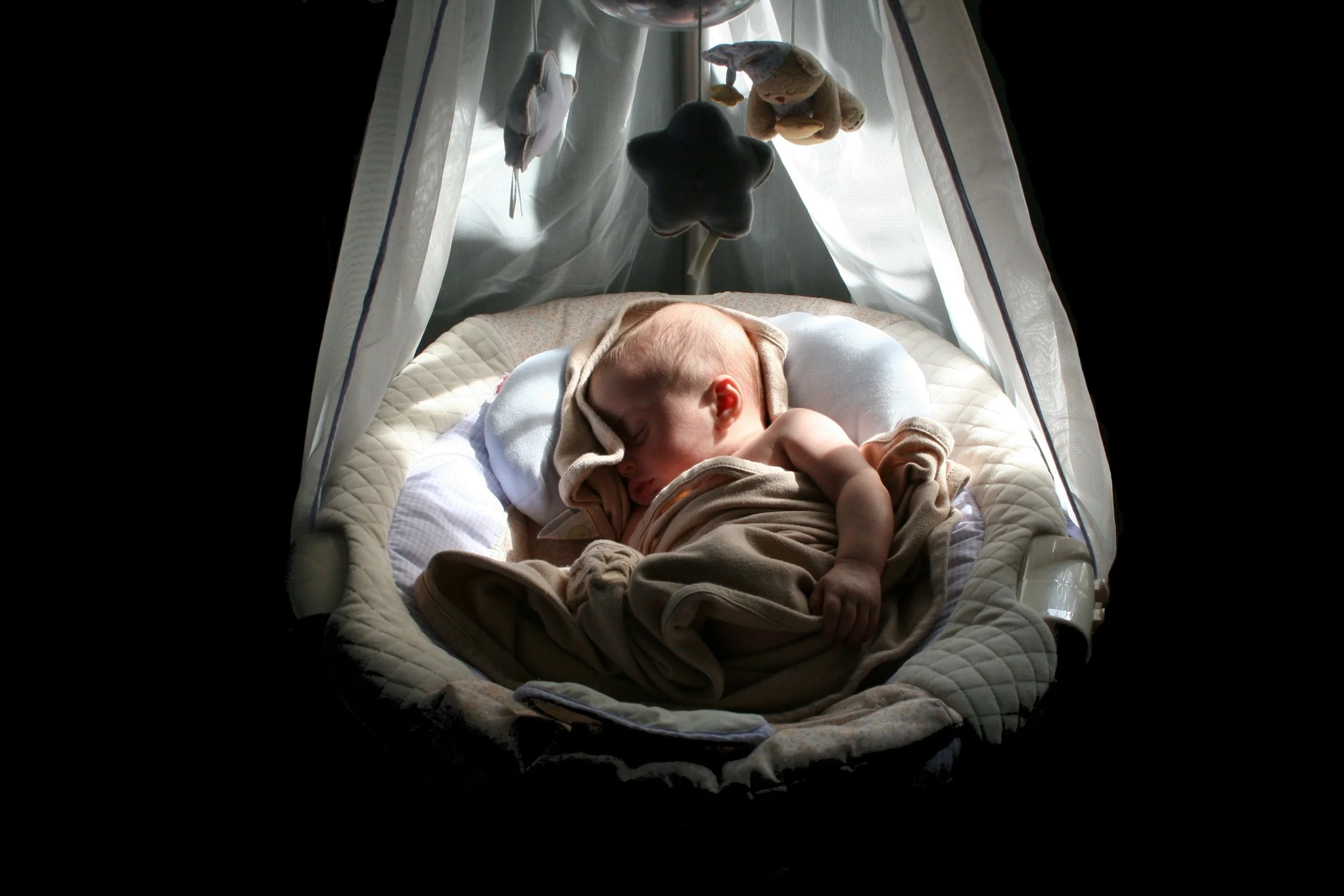
Photo Credit: Mike Patterson
The Yahoo!Health site, in an article that originally ran in Parade magazine, quotes audiologists who warn that white noise machines may damage hearing health. White noise mixes all sound frequencies together. It is used to mask other noises, to protect speech privacy in offices, or to help infants sleep. Infant sound machines can be very noisy, and the American Academy of Pediatrics has recommendations for their use, which are repeated in the article. These include using a timer to limit exposure, keeping the device at least seven feet from the crib or bed, and using the lowest volume possible.
The article correctly states, “Your daily habits can contribute to hearing loss quickly or over time.” Unfortunately, it mentions the industrial-strength 85 dBA (A-weighted decibels*) noise exposure standard. This noise exposure level doesn’t prevent hearing loss in workers and is entirely inappropriate for the public. The only evidence-based safe noise exposure level is a time-weighted average of 70 decibels for 24 hours and may actually be as low as 55 dBA for a single noise event, with a daily average of only 55-60 dB.
The safe noise levels mentioned above were calculated for adults, based on studies of hearing loss in occupational settings. There are no evidence-based safe noise exposure levels for children, nor is it likely that any will ever be determined. Current human research subject protections prohibit researchers from knowingly exposing subjects to anything that can cause permanent damage, and this would certainly be true for infants and children. As the pediatricians often remind us internists, a child is not a small adult. The developing auditory system may be more vulnerable to damage from noise than that of adults.
Additionally, while the AAP recommends keeping sound levels below 50 decibels in hospital nurseries, some parents use these sound machines for weeks or months. It may be better to make the baby’s or child’s room quieter, rather than using infant sound machines.
A quieter room, without white noise, will help make the world better and healthier for infants and children.