
People become annoyed at lower levels of aircraft noise
by Daniel Fink, MD, Chair, The Quiet Coalition
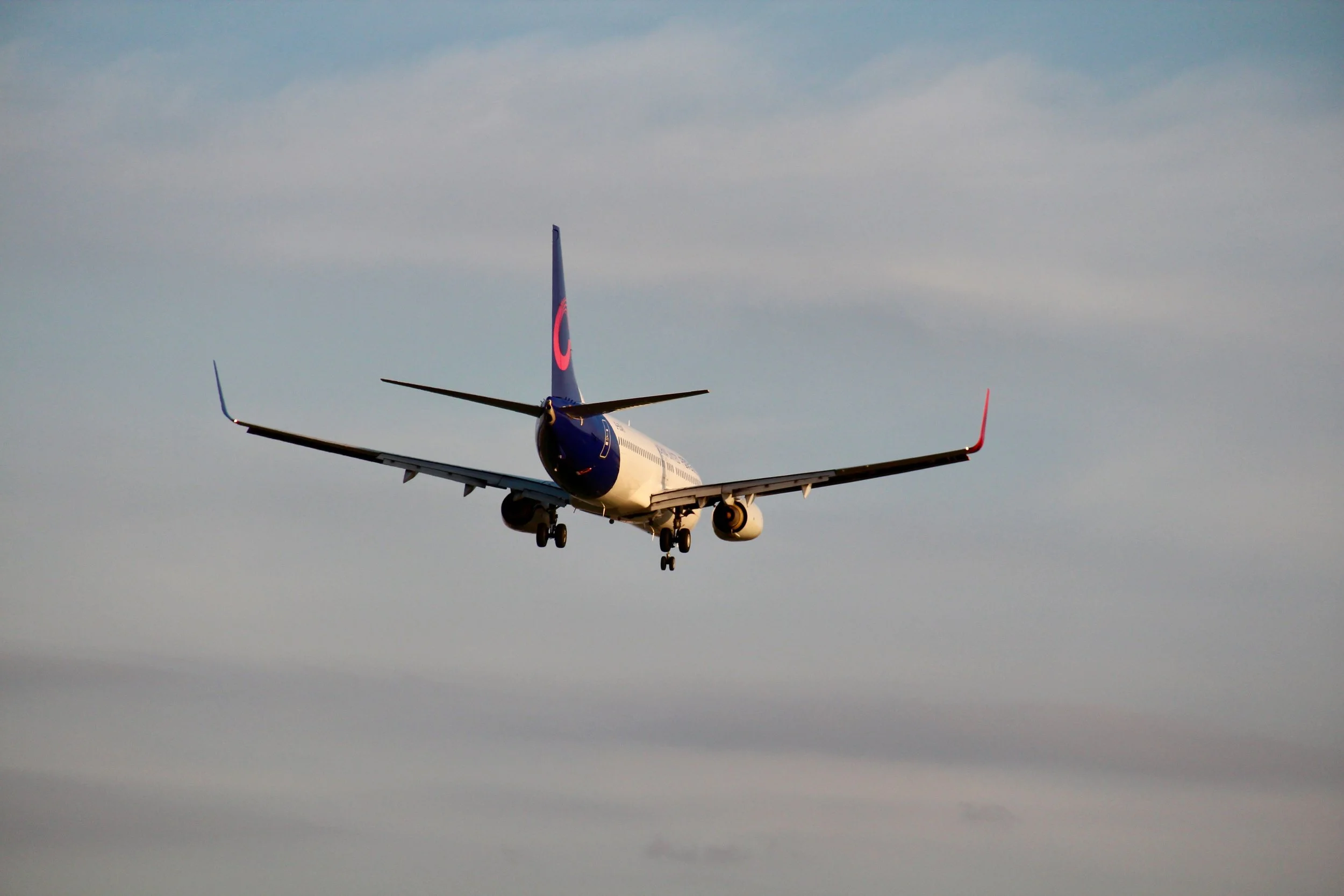
Photo Credit: Anderson Wei
The Summer 2026 issue of The Bottom Rung, a publication of the UK Noise Association, covered a report from the UK’s Civil Aviation Authority, its FAA equivalent, on aircraft noise. To no one’s surprise—at least not to those familiar with aircraft noise or those unfortunate enough to live near airports or under flight paths– people are more annoyed by aircraft noise than previous studies showed.
As The Bottom Rung noted, “...residents become annoyed at much lower levels of aircraft noise than previously acknowledged.” The findings were in line with World Health Organization 2018 noise guidelines. The Bottom Rung went on to state, “The EU uses 55Lden. [55 dBA* day night evening sound level.] America is much higher and, in light of this new evidence, looks even more out of touch with reality.”
What was The Bottom Rung referring to? The FAA considers 65 dBA day-night average sound level to be the threshold of significant noise exposure, below which residential land uses are compatible. This is an unsafe noise exposure level, according to the Environmental Protection Agency.
The FAA Reauthorization Act has to be renewed in 2028. It’s time to start contacting your elected representatives in Washington to ask them to hold the FAA accountable for aircraft noise and its proven adverse health effects on their constituents. Aircraft noise causes cardiovascular disease, with specific nighttime flights causing heart attacks and death. However, the FAA is currently soliciting membership in the Airplane Noise Advisory Committee (ANAC), which will provide independent advice and recommendations on aircraft noise exposure, noise policies, and regulations.
The FAA is currently soliciting members for the Airport Noise Advisory Committee, which provides independent advice and recommendations on aircraft noise exposure, noise policies, and regulations.
A quieter world, with less aircraft noise, will be a better and healthier world for all.
*A-weighting adjusts unweighted sound measurements for the frequencies heard in human speech. It is an entirely inappropriate measure of mechanical noise, such as that produced by aircraft engines and bodies. C-weighting is a more appropriate measure. There is no conversion factor from A-weighted noise measurements to C-weighted noise measurements, but my own observations are that C-weighted measurements are about 30 decibels higher than A-weighted ones. It is not clear if average noise measurements are the best measures of aircraft noise. The number of noise events, or the number of noise events over a certain decibel level, may be a better measure of aircraft noise.